
Norway’s beautiful capital, Oslo, packs a punch well above its class, balancing natural beauty, historic architecture and modern flair.
Great deals on flights to Oslo, hotel and car rentals can be found here.
Oslo was founded in 1040 as a Viking trade center. Over the centuries, the city continued to grow and prosper until it was destroyed by fire in 1624. In the 19th century, the name was briefly changed to Christiania, but the city later embraced its past again and renamed itself Oslo, the Capital.
Today, Oslo is a small city surrounded by islands and forests. Oslo may be small, but there is a lot to see and do here. There are countless museums, large parks, delicious restaurants, and the closeness to nature means that there are many hiking and cycling trails (and swimming spots) at your disposal.
However, Oslo is expensive (it is one of the most expensive cities in the world), so many travelers ignore it.
Visiting Oslo will certainly put a strain on your budget, but it is worth it.
To help you plan your trip, have fun, and save money, here is a list of the best things to do in Oslo:
1. Take a walking tour
I always start my trips with a free walking tour. These are a cost-effective way to see the top tourist spots, learn about history, meet other travelers, and hire a local guide to answer all my questions. FREE TOURS Oslo offers 90-minute tours every day. These are a solid introduction to the city and cover all the major highlights. Don’t forget to tip your guide at the end of the tour! If you want to see more, you can also take a bike tour of the city. If you’re a foodie like me, there are also foodie tours.
2. Enjoy the view from the Opera House
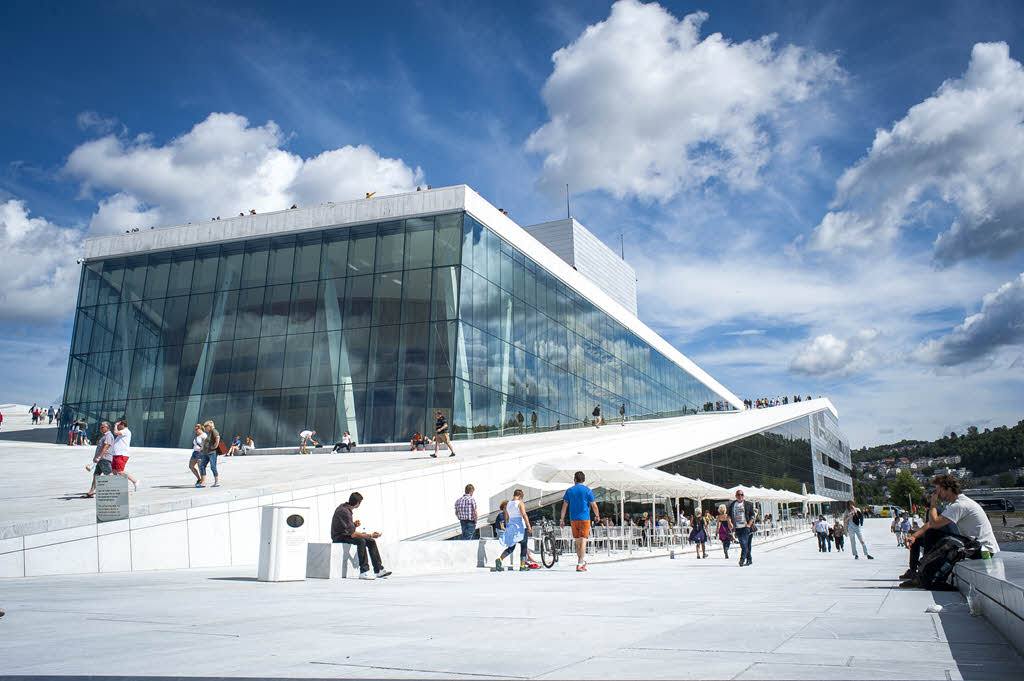
Overlooking the city from Norway’s famous Oslo Opera House
This huge modern theatre sits on the waterfront and is home to the national opera and ballet. Opened in 2007, the building itself consists of several flat levels that essentially act as a small plaza, and visitors can go up to the roof to enjoy views of the harbour and city. When the weather is nice, it’s a popular place to watch the sunset. Check the website to see what performances are on during your visit.
Kirsten Flagstads Plass 1, +47 21 42 21 21, operaen.no. The box office is open Monday to Saturday from 11 AM to 4 PM, and Sunday from 12 PM to 4 PM. Admission prices for performances vary. Tours in English are available Monday to Saturday at 1 PM and Sunday at 2 PM. The tour lasts 50 minutes and costs NOK 150.
3. Relax at Aker Brygge
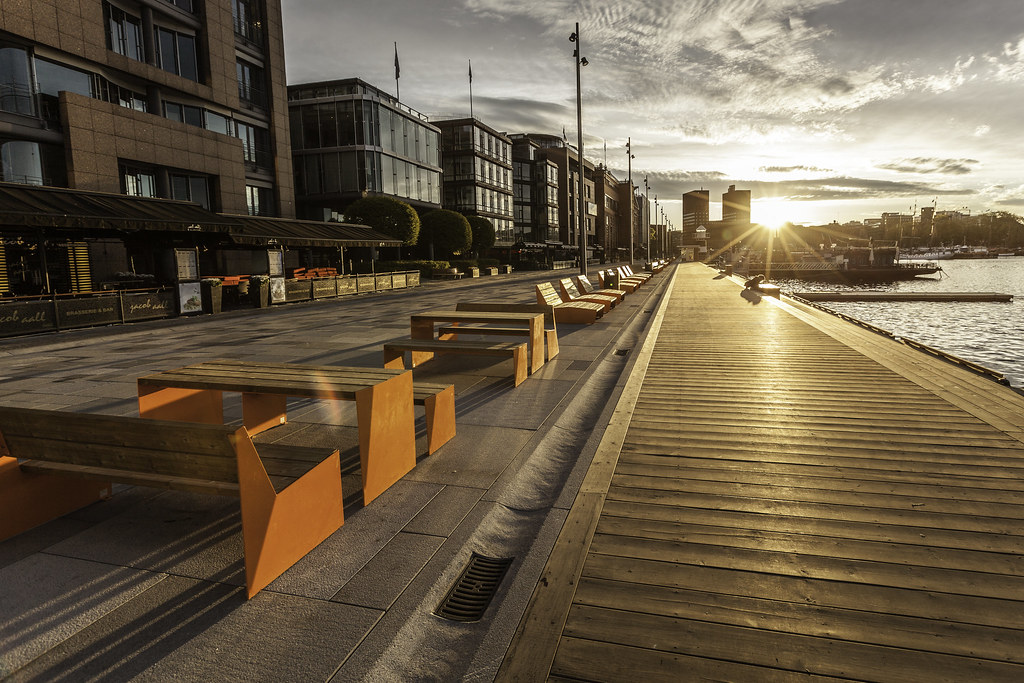
Near the pier you’ll find Oslo’s largest collection of restaurants, serving everything from French cuisine to traditional Nordic dishes. Before the 1980s, it was mainly a shipyard and industrial area. Today, there’s plenty of window shopping and architecture to admire. The Quay has something for everyone and is the perfect place to spend a few hours and soak up the city life.
4. Visit the History Museum
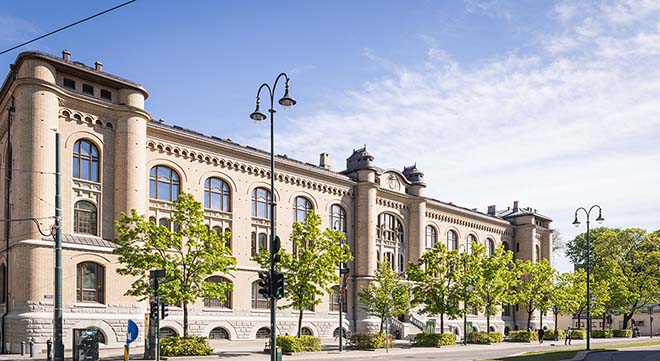
This museum has lots of artifacts and information about Norway’s past, including Viking content. There are also exhibits on Ancient Egypt (including mummies), Africa, the Stone Age and Arctic exploration. It also has one of the largest collections of coins in the country. If you arrive at the Viking Museum within 48 hours, you can also use your ticket to enter the Viking Museum for free (and vice versa) (The Viking Museum is currently closed for renovations and is due to reopen in 2026).
Frederiksgate 2, +47 22 85 19 00, historiskmuseum.no/english. Opening hours Tuesday to Sunday 11am to 4pm (Thursdays until 8pm). Admission is 140 NOK.
5. Explore Vigeland Sculpture Park
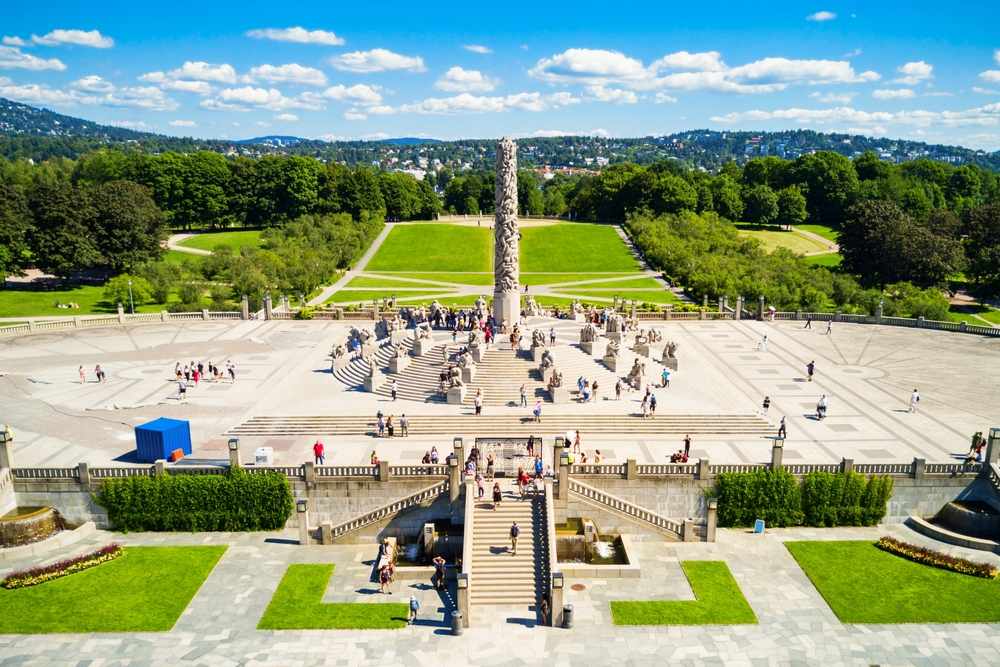
The landscaped Vigeland Park in Oslo, Norway, features a central sculpture fountain
This unique sculpture collection is located in Frogner Park. This is the world’s largest collection of sculpture by a single artist. Gustav Vigeland (1869-1943) created over 200 bronze, iron and granite statues that now stand in the open-air “gallery” (a huge 32 hectares). The most famous is the Crying Baby statue. Events are often held there in the summer. The gallery is open every day and admission is free.
6. Check out the Vigeland Museum
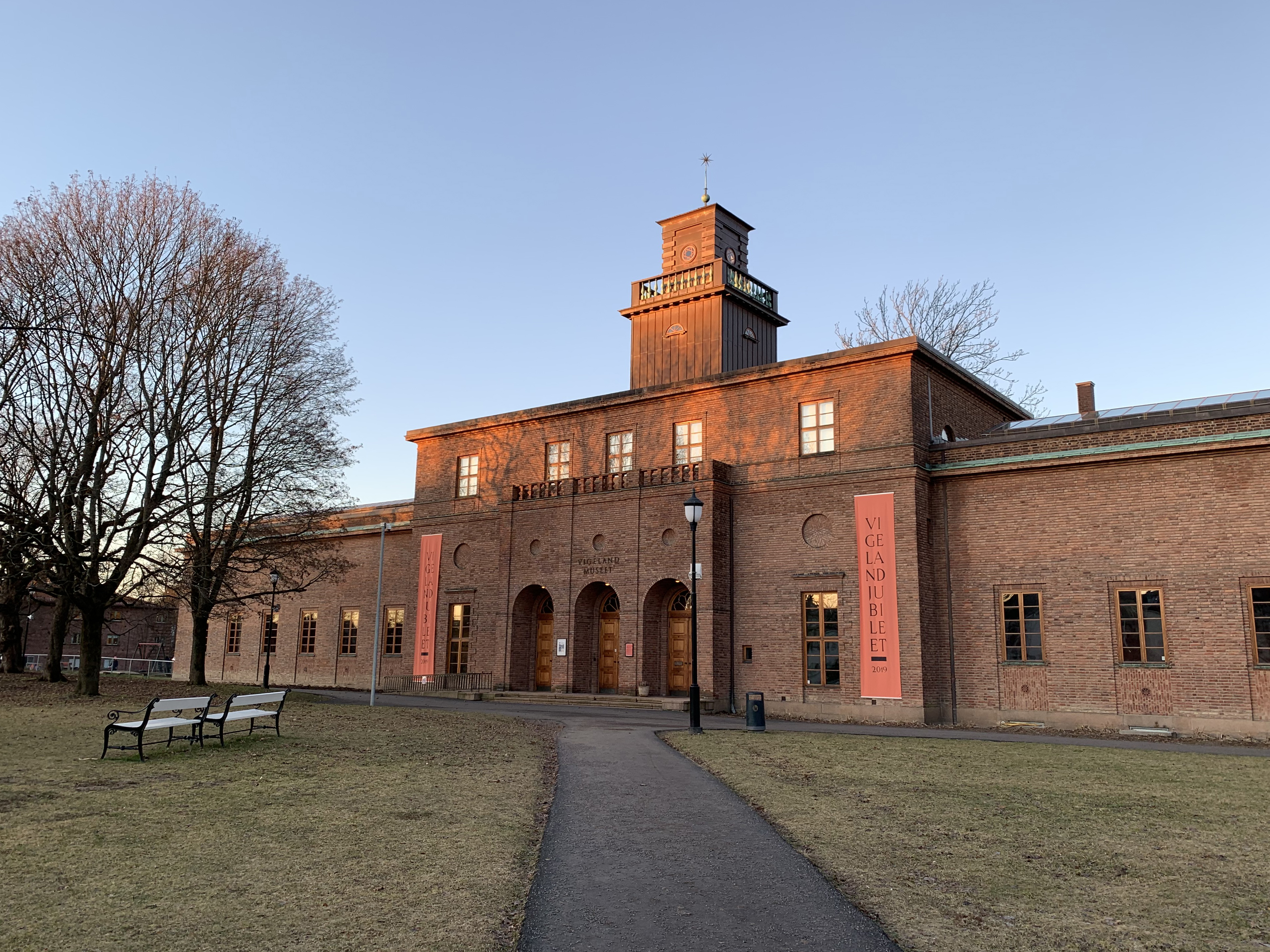
This sculpture museum is located in his studio and home and is dedicated to sculptor Gustav Vigeland. It includes plaster casts of his sculptures in Vigeland Park as well as portraits and memorials of him. The museum also hosts temporary exhibitions of contemporary art. The building itself is considered one of the finest examples of neoclassical architecture in Norway. Vigeland’s apartment (open by appointment), where he lived from 1924 until his death in 1943, is on the third floor and has been restored to its original appearance.
Vigeland Museum, Nobelsgate 32 (south of Vigeland Park), +47 23 49 37 00, vigeland.museum.no/en. Open Tuesday to Sunday, 12pm to 4pm. Admission is 100NOK.
7. Visit the Norwegian Folk Museum
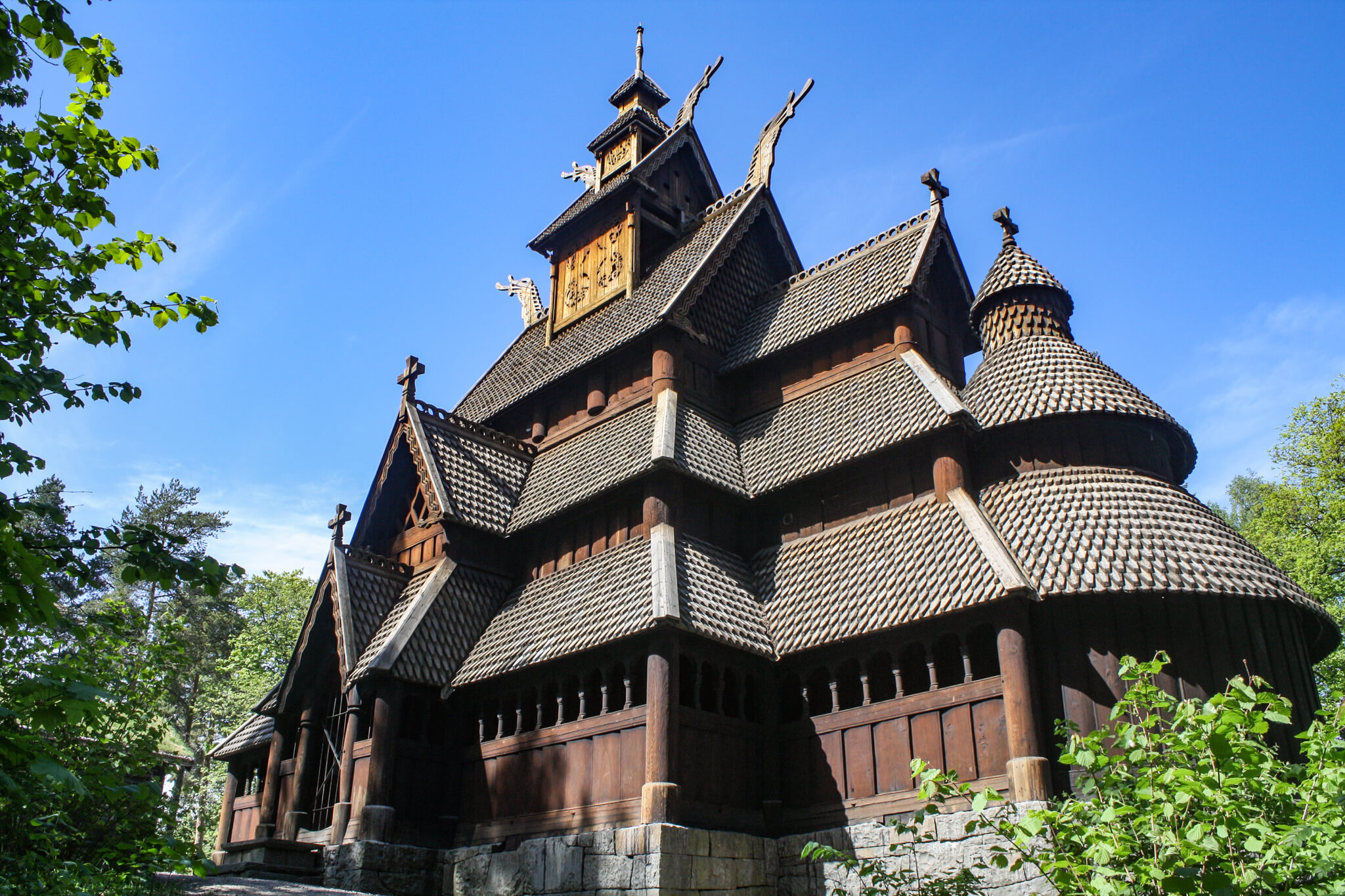
Norsk Folke museum (Norwegian Museum of Cultural History) is an open-air museum of relocated Norwegian traditional buildings. Located near the Viking Ship Museum, it displays more than 150 buildings from different periods of Norwegian history. The most impressive exhibit is Gol Stave Church, a wooden church with intricate carvings dating back to the 13th century. In summer, you can feed the animals and take a horse-drawn carriage ride through the area.
Museumsveien 10, +47 22 12 37 00, norskfolkemuseum.no. Opening hours are Tuesday to Sunday 11pm-4pm (10am-5pm in summer). Admission is 180 NOK.
8. Explore Holmenkollen Winter view of Oslo, Norway and the old Olympic ski jump at Holmenkollen
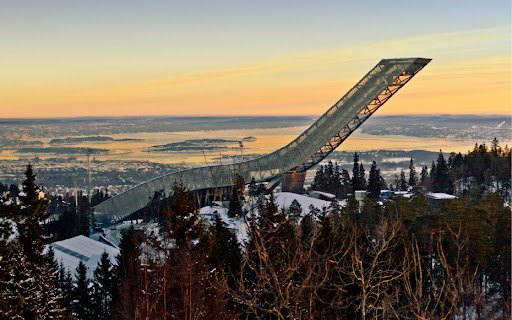
The Holmenkollen ski jump can be seen from anywhere in the city. If you want to see it up close, take the metro and get off at Holmenkollen station. If you want to learn more about this seemingly crazy sport, go to the ski jump and visit the Ski Jump Museum (the oldest ski museum in the world). The ski jump at Holmenkollen is 60 meters (197 feet) high and can accommodate around 70,000 spectators (Norwegians love winter sports!). From here you can also hike to Nordmarka, a wooded area north of the city with hiking, walking and cycling trails.
9. Going for a swim
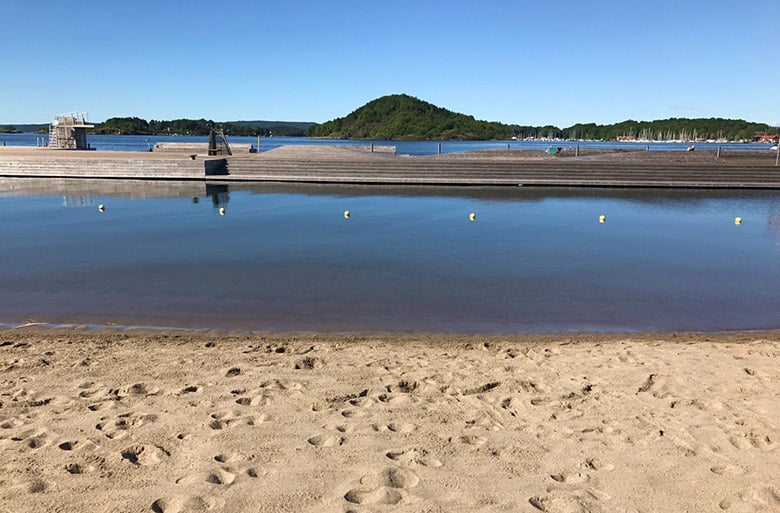
People swimming in the harbor of Oslo, Norway, on a beautiful warm and sunny day Oslo is surrounded by water and nature. It is also a green capital city with many outdoor areas perfect for swimming in the summer. The water is clean and safe. If you want to go swimming when the weather is nice, Tjuvholmen City Beach, Sørenga Beach and Huk are three places worth visiting.
10. Visit the Fram Art Museum
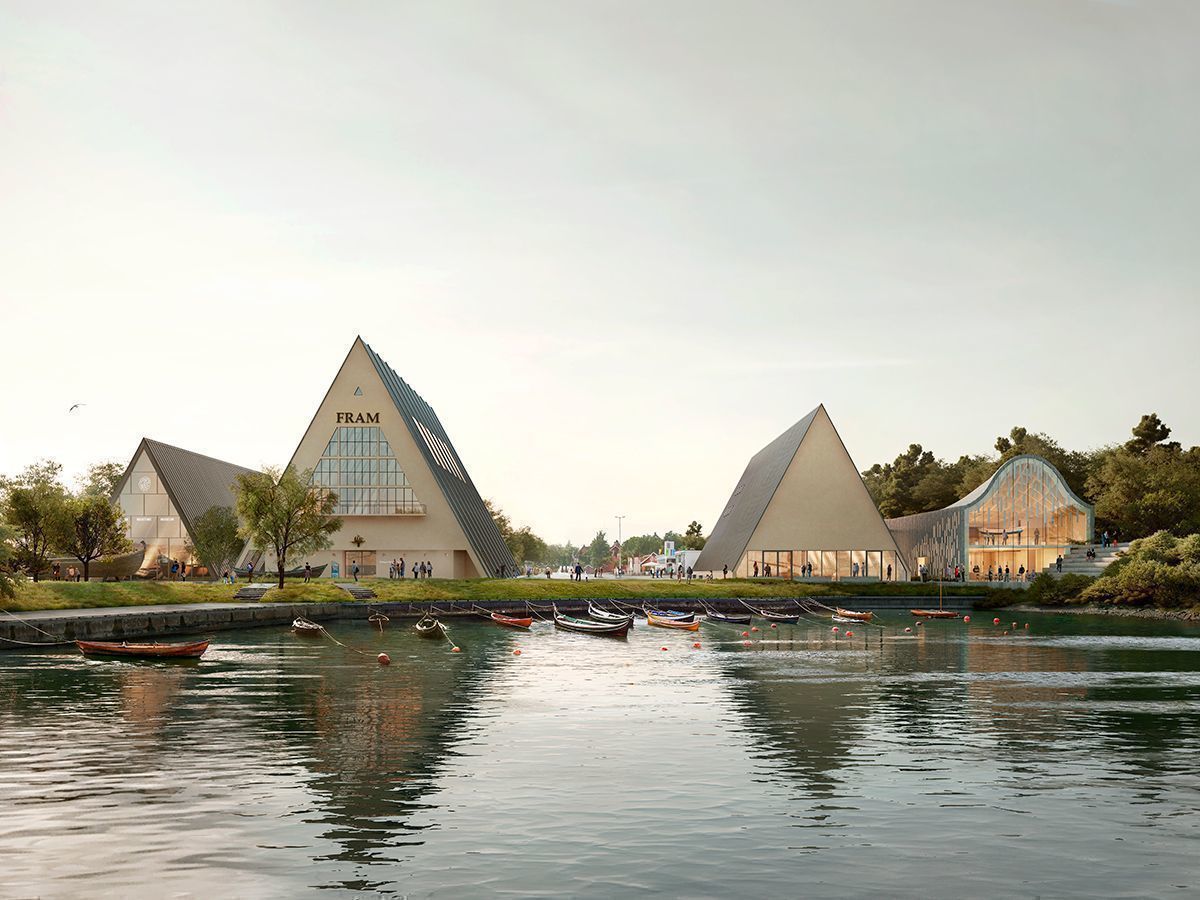
This unique museum focuses on polar exploration, a common theme in Norwegian history and culture. Opened in 1936, the museum celebrates explorers such as Roald Amundsen (who led the first Antarctic expedition in 1911) and Fridtjof Nansen (who skied across the interior of Greenland in 1888). The highlight is the world’s first (and last) wooden icebreaker, the Fram. In service from 1893 to 1912, it made multiple trips to the North and South Poles, and is said to have sailed further north and further south than any other wooden ship in history. The museum is very well-illustrated and contains a lot of history as well as photographs, tools and artefacts.
Bygdøynesveien 39, +47 23 28 29 50, frammuseum.no. It’s open daily from 9:30am to 6pm. Admission is 140 NOK.
11. Visit the Royal Palace
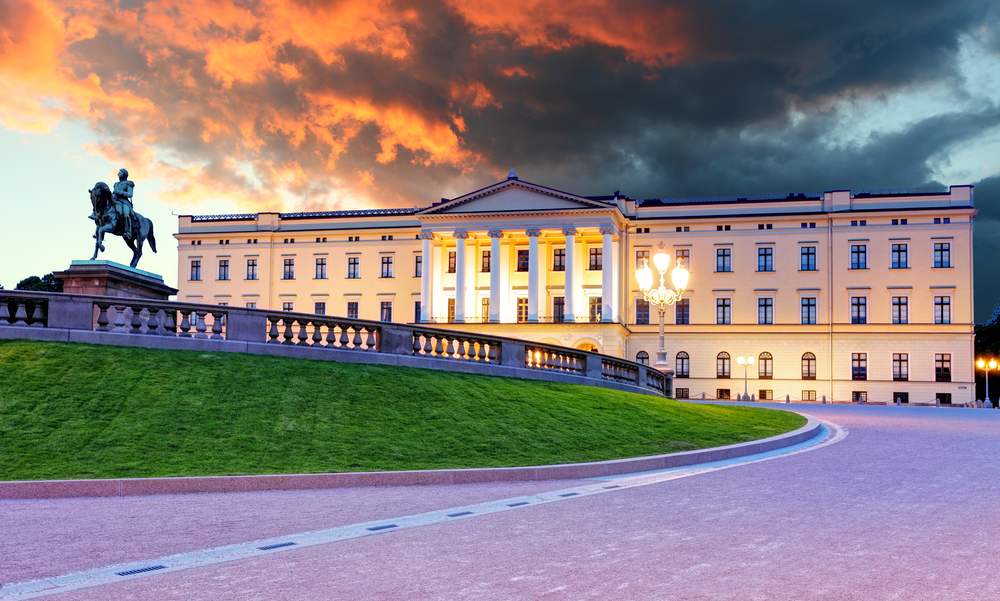
The historic Royal Palace in Oslo, Norway in summer Completed in the 1840s, the palace is the official residence of the monarch (the Norwegian monarchy dates back to 885 and the current monarch is King Harald V, who has ruled since 1991). The palace is surrounded by a vast park where locals usually enjoy what little sunshine there is year-round. In summer, parts of the palace are also open to visitors. Tours last one hour and allow you to see some of the magnificent historical rooms where you can learn more about the monarchs who ruled Norway over the centuries.
Slottsplassen 1, +47 22 04 87 00, Royal Court No. Open late May to mid-August. Summer opening hours vary. For more information, see the website. The palace reopened on June 22nd and is scheduled to be open until August 18th 2024. Admission costs 220 NOK.
12. Learn about the Kon-Tiki Expedition
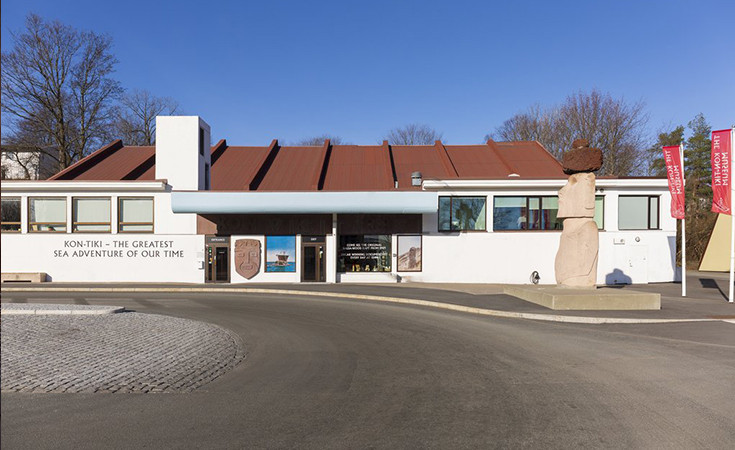
The Kon-Tiki Museum focuses on the work and explorations of historian and explorer Thor Heyerdahl. Using a traditional balsa wood raft, Heyerdahl crossed the Pacific Ocean from South America to Polynesia, hoping to prove that the islands were inhabited by the Americas and not Asia, as previously believed. The journey lasted 101 days and was made into a film that won an Oscar in 1951. The original raft can be seen in the museum along with information about Heyerdahl’s other expeditions and archaeological discoveries. The trip was the inspiration for the 2012 historical drama Kon-Tiki (an excellent travel movie).
Bygdøynesveien 36, +47 23 08 67 67, kon-tiki.no. Open daily from 10am to 5pm (until 6pm in summer). Admission is 140 NOK.
13. Visit the Holocaust Centre
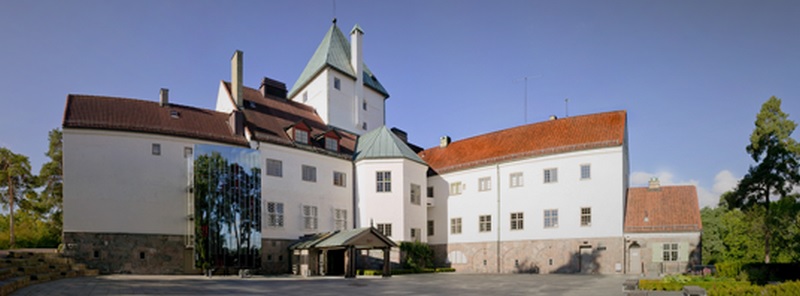
The Holocaust Centre focuses on the Norwegian experience of the Holocaust, highlighting the tragic fate of Norwegian Jews and the persecution of religious minorities around the world. Founded in 2001, it moved from the university to the former residence of Vidkun Quisling, the fascist who led the Norwegian government under Nazi occupation from 1942 to 1945 (he was executed for war crimes after the war ended). The centre offers all kinds of exhibitions, photographs, films, artefacts and interviews. It’s dark and solemn, but well worth a visit.
Villa Grande, Huk Aveny 56, +47 22 84 21 00, hlsenteret.no. It is open daily from 10am to 4pm. Admission is 120 NOK.
14. Visit City Hall Oslo
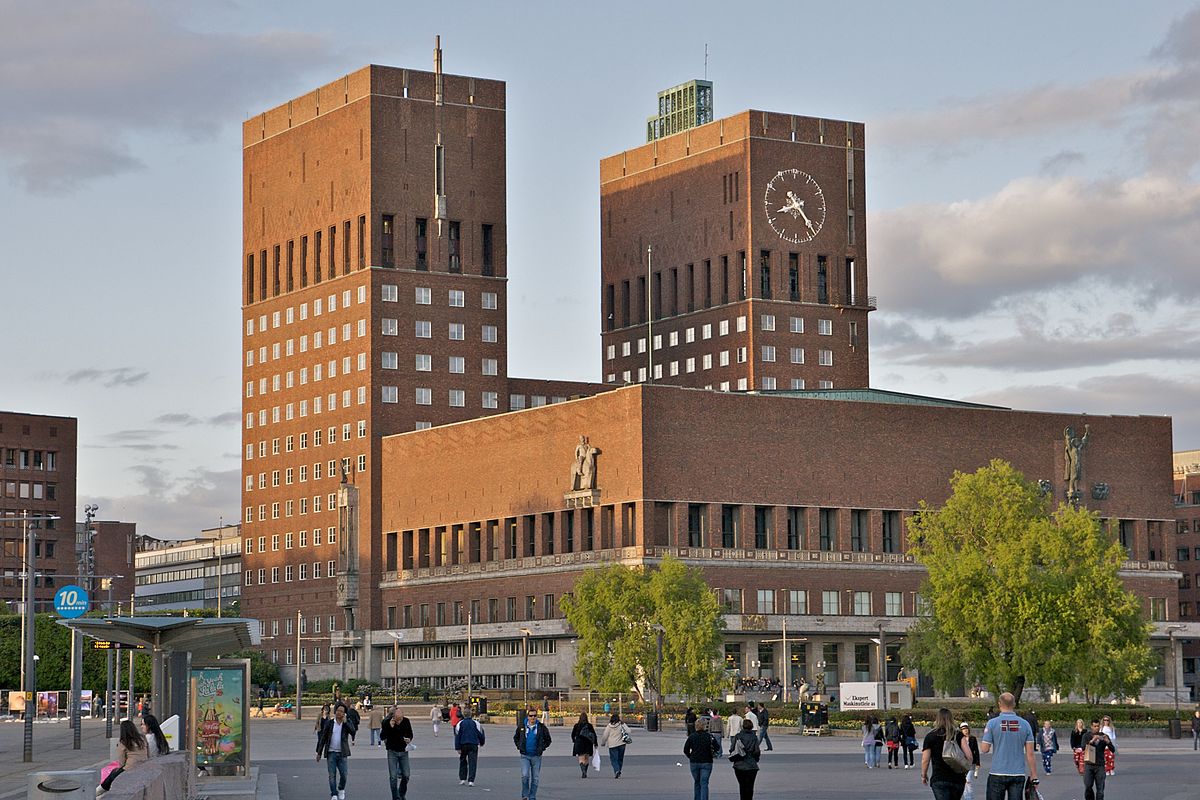
City Hall is open to the public and admission is free. Although it may not sound like a very interesting sight, the tour is actually very informative. Inside, you’ll find around 20 murals and artworks, covering everything from traditional Norwegian life to the Nazi occupation (which lasted from 1940 to 1945). You can also learn about the history of the Nobel Peace Prize, which is awarded here every year (the other Nobel Prizes are awarded in Stockholm).
Rédhusplassen 1, +47 21 80 21 80, oslo.kommune.no/radhuset. Open daily 9am-4pm. Admission is free.
15. Explore Akershus Castle
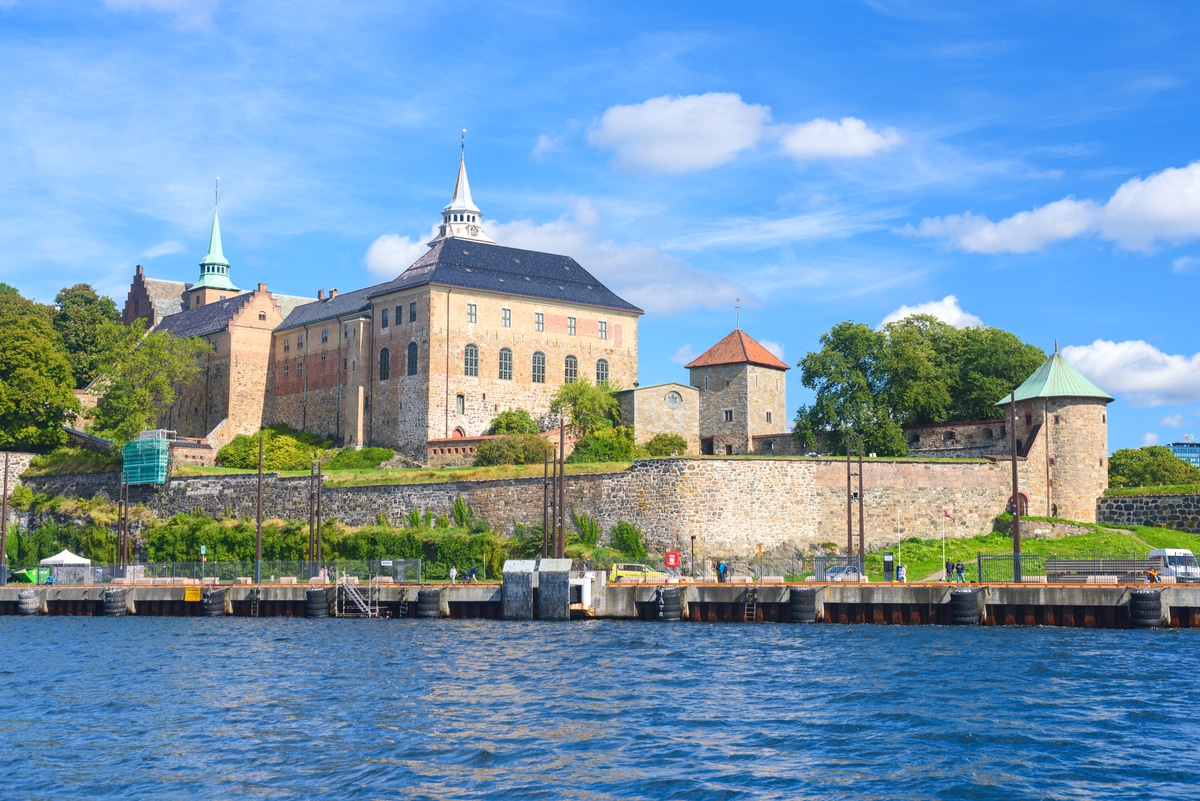
Historic Akershus Castle in Oslo, NorwayAkershus Castle was originally a medieval fortress built in 1299 and later transformed into a Renaissance palace under the rule of Danish King Christian IV. It was built for both protection and royal purposes (it is now used as the Prime Minister’s residence). A siege of the fortress was unsuccessful, but it did surrender to the Nazis during World War II. Inside you’ll find a military museum as well as a museum dedicated to the resistance during World War II. Tours are organised in the summer and concerts and events are often held here, so check the website to see if there’s anything going on during your visit.
+47 23 09 39 17. The castle is open daily from 10am to 4pm in the summer (opening times vary in winter) and the fortress grounds are open all year round from 6am to 9pm. Entry to the fortress and the Norwegian Armed Forces Museum is free. Admission to the castle is NOK 100.
16. Go tobogganing at Korketrekkeren. Tobogganing is a traditional Norwegian winter activity and a must-do if you’re visiting in winter. The route at Korketrekkeren is over 2,000 metres long with an elevation change of 255 metres. It’s fun for both adults and children. You can rent a sledge and helmet for 100-150 NOK. You can rent it by the day, so you can ride as much as you like. The non-stop ride takes 8-10 minutes.
17. Explore the National Gallery/Museum
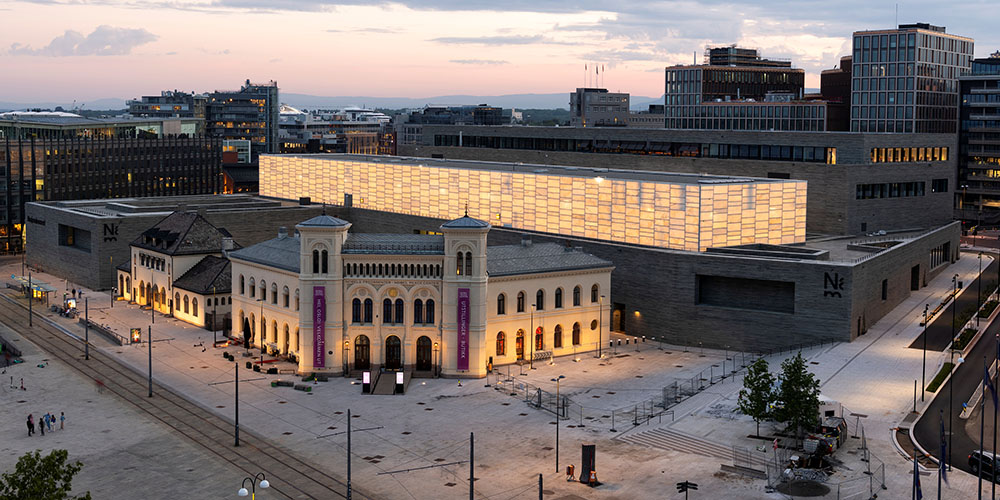
Now part of the National Museum, the National Gallery houses Edvard Munch’s famous painting The Scream (painted in 1893 and stolen twice). The gallery is small but has a lot of artists represented – you’ll find Impressionist and Dutch works, as well as pieces by Picasso and El Greco. It’s not the most extensive collection, but it’s still worth checking out, especially if you’re a fan of more classical art styles (like me). Today, the National Museum displays (and combines) over 53,000 objects from the National Gallery, including The Scream.
Pb. 7014 St. Olavsplas, +47 21 98 20 00, nasjonalmuseet.no/en. Opening hours Tuesday to Sunday 10am to 5pm (8pm Tuesday and Wednesday). Admission is NOK 200.
18. Get off the beaten path If you’re looking for something a little more off the beaten path, here are some of the city’s off-the-beaten-path attractions and museums.
- Devil of Oslo – This statue is over 900 years old and depicts a man being attacked by a lion and a dragon. It’s part of Oslo Cathedral (but is much older than the Cathedral itself).
- Mini Bottle Gallery – This quirky museum houses over 50,000 bottles and is the only mini bottle museum in the world. The bottles are filled with everything from food to bones to bugs (and more!). Only open on weekends.
- Edvard Munch’s Grave – Munch painted his famous painting The Scream, which can be seen at the National Museum. His grave is in the Saviour’s Cemetery (Oslo also has an entire Munch Museum).
- She Lies – This giant glass and stainless steel sculpture by Monica Bonvicini stands in the harbor and reminds us of the strength and beauty of icebergs.
19. Spend time at Nordmarka Nature Reserve
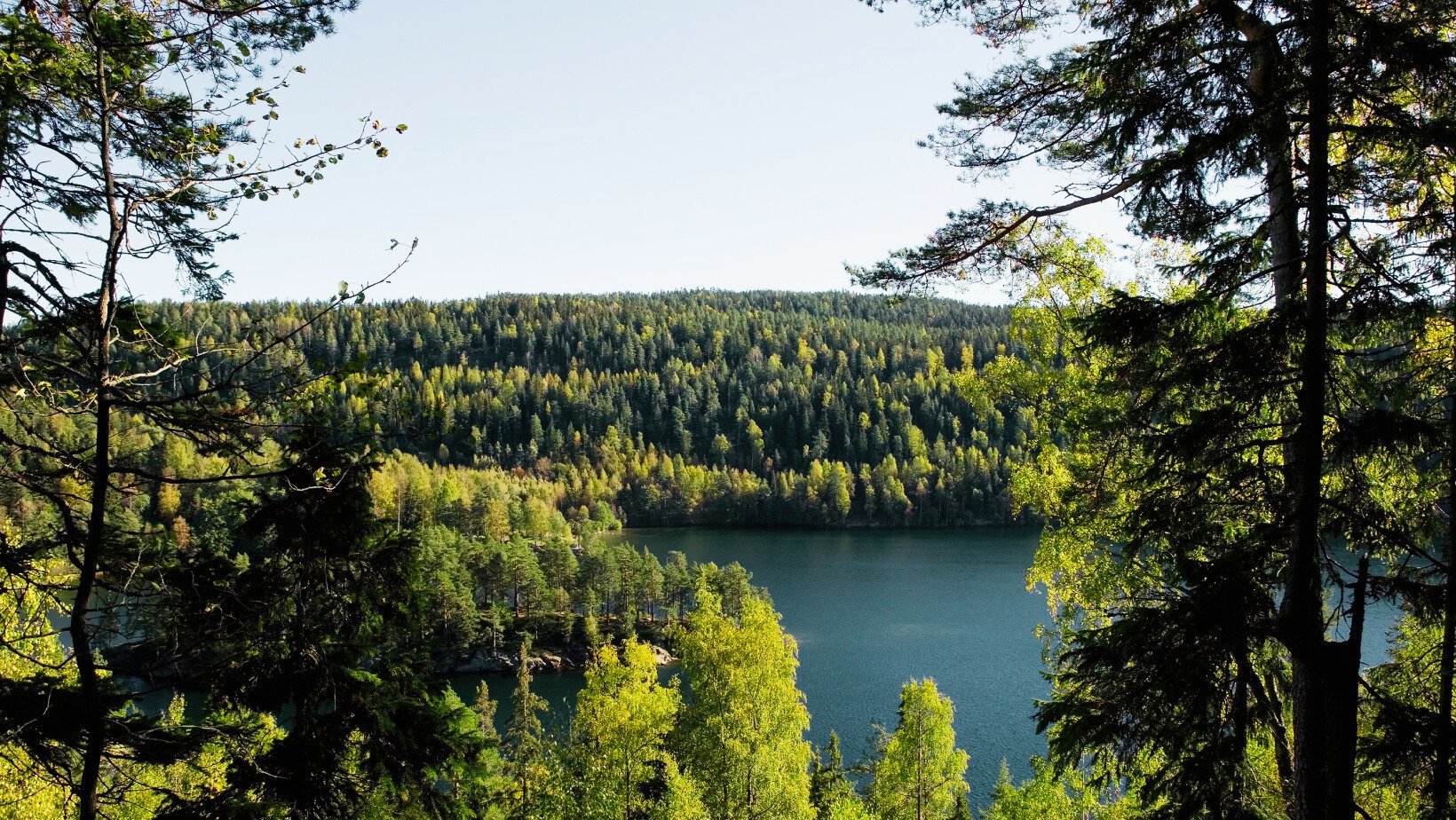
Nordmarka Nature Reserve covers an area of 174 hectares (430 acres) and is just 30 kilometers (19 miles) from Oslo city center. Here you can enjoy all kinds of activities, from cycling to swimming to skiing. There are also huts where you can stay the night. If you’re looking for a challenging day hike, try the Voksenkollen til Bjørnsjøen hiking trail, which is about 25 kilometers long and takes just over 8 hours. If you prefer a shorter hike, try the medium difficulty “Frognerseteren til Sognsvän” hiking trail, which is about 11 kilometers long and takes 3.5-4 hours.
20. Wander through the Botanical Garden
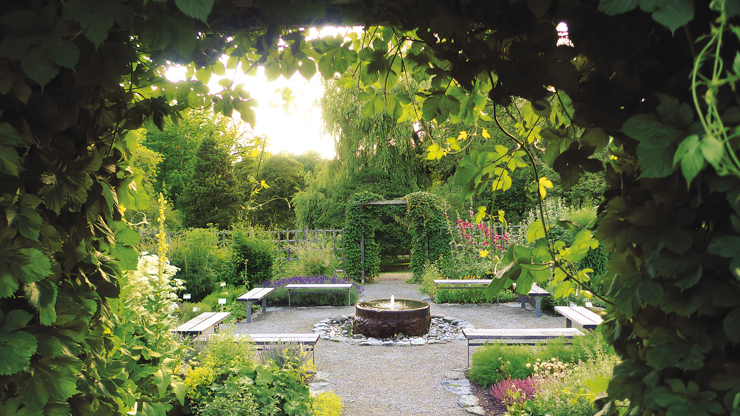
With over 1,800 different species of plants, Oslo’s Botanical Garden is the perfect place to relax after a day of sightseeing in the city. The garden is designed primarily as an arboretum, with two greenhouses (from 1868 and 1876) filled with rare plants, and a “fragrance garden” specially designed for the sensory experience of blind people. The garden has plenty of benches to relax on with a book, and there are also some beautiful pieces of art throughout the garden.
Advertisement Thurs Gate 1, +47 22 85 17 00, http://www.nhm.uio.no/english/exhibitions/botanical-garden/index.html. Open from 7am to 9pm in summer and 7am to 5pm in winter. Admission is free.
21. Take a Fjord Cruise
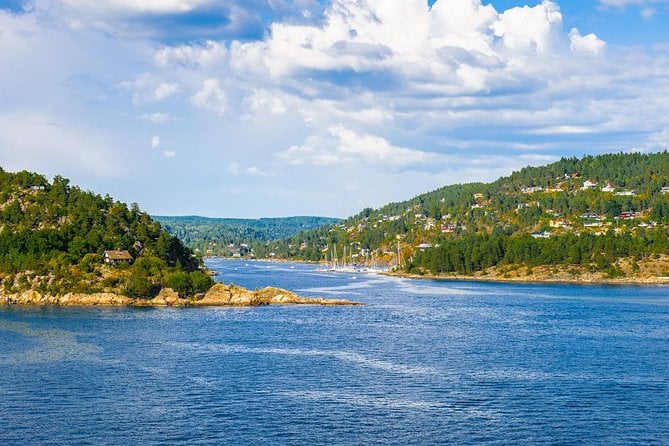
A quiet harbor full of boats in Oslo, Norway With its narrow channels, tranquil bays and many small islands, the Oslofjord is a spectacular sight at any time of the year (but especially beautiful in summer). Cruises through this idyllic landscape are a great way to enjoy the scenery all year round. The trip usually lasts a few hours and costs around NOK 439.
22. Visit the Norwegian Maritime Museum
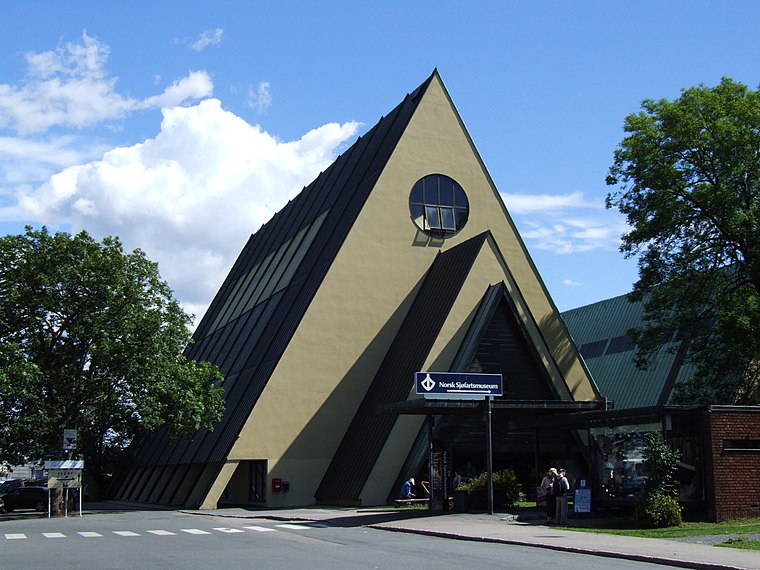
Located on the waterfront on the Bygdøy peninsula, you can learn all about Norway’s maritime history, shipbuilding, and underwater technology. The exhibition includes Norway’s oldest ship (dating back to 200 BC), over 40 marine paintings by famous artists, a photo exhibition about the mapping of Svalbard (a Norwegian archipelago between the Norwegian mainland and the North Pole), and the story of human voyages over the past 1000 years.
Advertisement Bygdøynesveien 37, +47 24 11 41 50, marmuseum.no/en. Opening hours daily 10am-5pm (reduced hours in season). Admission 140 NOK.
Great deals on flights to Oslo, hotel and car rentals can be found here.
 Travel Fly Sky